
Transforming Contemporary Homes: Emerging Trends in Hua Hin Interior Design for Residential Spaces
In recent years, the demand for interior design service Hua Hin has surged, reflecting a growing appreciation for sophisticated residential environments that blend modern aesthetics with regional context. Hua Hin, known for its coastal charm and relaxed atmosphere, presents unique opportunities for interior design that meet evolving homeowner expectations. This article explores emerging key trends defining contemporary residential interior design in Hua Hin, revealing insights that balance function, style, and local influences with advanced material and spatial concepts.
Integration of Natural Elements with Modern Minimalism
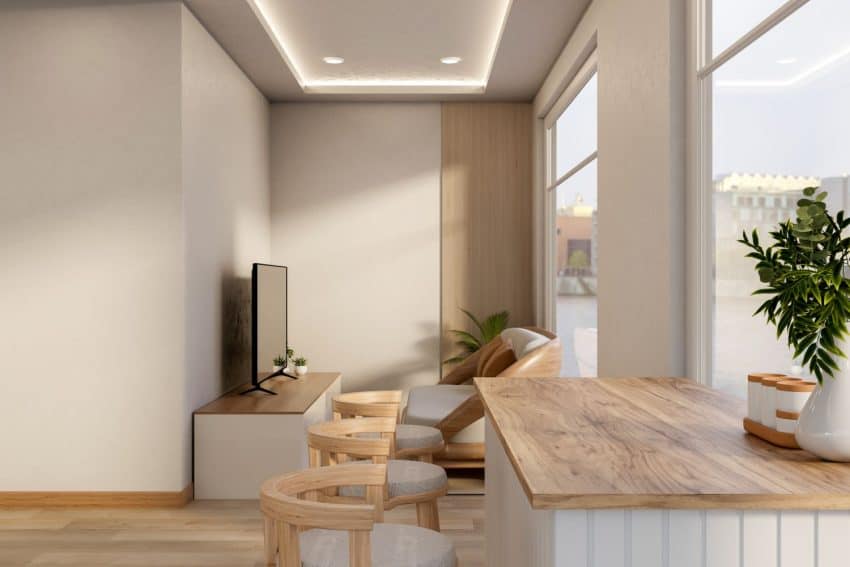
One prominent trend in Hua Hin’s interiors is the harmonious integration of natural materials into minimalist design frameworks. Homeowners increasingly seek interiors that evoke tranquility and connection to the environment without overwhelming visual complexity. Wood finishes, natural stone, and organic textures act as tactile anchors within clean-lined furniture and open floor plans.
This approach is supported by technical considerations such as the use of sustainable timber treated through advanced preservation techniques to resist coastal humidity, a common challenge in Hua Hin’s tropical climate. Additionally, natural stone surfaces are chosen for their durability and thermal regulation properties, contributing to indoor comfort.
- Wood Selection: Preference for sustainably sourced teak or bamboo with low-VOC finishes enhances air quality and longevity.
- Stone Applications: Granite or limestone slabs used for flooring or accent walls provide both aesthetic and performance benefits.
- Textural Balance: Soft furnishings incorporating natural fibers such as linen and jute complement hard surfaces to create inviting yet refined spaces.
The synergy between minimalism and nature promotes a serene residential atmosphere specially suited to Hua Hin’s coastal lifestyle, while meeting technical demands for durability and maintenance.
Smart Spatial Planning for Multifunctional Living
Contemporary residential design in Hua Hin increasingly incorporates smart spatial planning to maximize functionality within limited footprints. This trend is driven by a shift towards flexible living where rooms serve multiple purposes without compromising comfort or style.
Innovations in cabinet design, sliding partitions, and modular furniture enable dynamic space usage. Materials selected for these applications emphasize lightness combined with robustness, such as engineered plywood with melamine surfaces and anodized aluminum hardware, allowing ease of movement and longevity.
- Modular Furniture: Pieces designed for adaptability support evolving family needs or work-from-home arrangements.
- Partition Systems: Sliding or folding partitions using durable, lightweight composite panels offer privacy and openness on demand.
- Integrated Storage: Customized cabinetry with optimized internal compartments reduces clutter and maintains clean visual lines.
Such spatial strategies reflect modern living realities while aligning with aesthetics favored by Hua Hin residents, combining pragmatic design with elegant simplicity.
Emphasis on Indoor-Outdoor Connectivity
Given Hua Hin’s appealing climate and natural surroundings, a distinct trend in interior design service Hua Hin is the seamless connection between indoor living areas and outdoor spaces. Large glazing systems with thermally efficient glass promote natural light penetration and scenic views while minimizing heat gain.
Technical features such as aluminum frames with thermal breaks and low-emissivity coatings are crucial to achieving comfort and energy efficiency in coastal residences. This approach enhances biophilic design principles, which studies have shown improve occupant well-being by fostering a stronger relationship with nature.
- Glazing Technology: Use of double or triple glazed panels to balance transparency and insulation.
- Outdoor Materials: Weather-resistant decking materials like treated hardwood or composite plastics complement interior finishes for fluid transitions.
- Ventilation Design: Incorporating operable windows or sliding doors facilitates natural air flow, reducing reliance on mechanical cooling.
Indoor-outdoor integration in Hua Hin not only leverages environmental advantages but also extends functional living areas in a visually appealing manner.
Incorporation of Local Artisanship and Cultural Motifs
Another growing aspect in Hua Hin interiors is the respectful inclusion of local craftsmanship and cultural motifs. Contemporary residential designs increasingly feature bespoke furniture or decorative elements produced by regional artisans, resulting in authentic yet modern living environments.
This trend supports cultural preservation while introducing texture and narrative into interior spaces. Techniques such as hand-carved teak panels, woven rattan details, and traditional lacquer finishes are often reinterpreted in minimalist contexts.
- Custom Woodwork: Artisanal furniture with precision joinery highlights both form and heritage.
- Textile Integration: Handwoven fabrics used for cushions or wall hangings contribute subtle cultural references.
- Decorative Accents: Locally crafted ceramics or metalworks introduce craftsmanship-oriented focal points.
This thoughtful blend of contemporary design with cultural identity generates interiors that are meaningful and visually distinctive without compromising modern sensibilities.
Advanced Lighting Solutions for Ambience and Function
Lighting design also stands out as a critical element in contemporary Hua Hin residential interiors. The emerging trend prioritizes layered lighting schemes that balance ambient, task, and accent lighting, enhancing both practicality and mood.
Energy-efficient LED technologies integrated with smart controls allow customization of light intensity and color temperature to adapt throughout the day. Innovative fixtures crafted from materials such as brushed brass or matte ceramics contribute to the overall aesthetic coherence.
- Smart Lighting Controls: Automated systems provide tailored illumination and energy savings.
- Fixture Design: Sleek profiles and artisanal finishes integrate with minimalist interiors.
- Daylight Harvesting: Sensor-driven adjustments optimize natural light use.
Combining technological advancements with design intent ensures interiors are comfortable, visually appealing, and sustainable.
Considerations on Sustainable and Eco-friendly Practices
Responding to increasing environmental awareness, sustainable design practices have become integral to interior design service Hua Hin. Usage of low-impact materials, responsible sourcing, and waste reduction strategies reflect this shift.
Technical standards such as formaldehyde emission limits for wood products and certifications like Forest Stewardship Council compliance guide material selection. Moreover, interior finishes often incorporate bio-based or recycled components to minimize ecological footprint.
- Material Choices: Preference for non-toxic paints, reclaimed wood, and natural fiber textiles.
- Energy Efficiency: Incorporation of insulation and passive design principles to reduce consumption.
- Waste Minimization: Design for disassembly and modularity supports circular economy concepts.
These sustainable approaches align with global standards and resonate strongly with contemporary homeowners in Hua Hin.
Perspectives on Technology Integration and Home Automation
Finally, technology integration in interior design for Hua Hin residences enhances convenience and lifestyle quality. The smart home trend incorporates concealed wiring, integrated audiovisual systems, and climate control managed through centralized interfaces.
Designers prioritize discrete incorporation that does not detract from the aesthetic but rather supports seamless user experiences. Materials and finishes are selected for compatibility with embedded sensors and wireless communication devices.
- Concealed Systems: Integrated installations maintain clean surfaces.
- Climate Management: Automated thermostats adjust for regional humidity and temperature variations.
- Security Features: Smart locks and surveillance combine safety with design discretion.
Thoughtful technology integration harmonizes with Hua Hin’s lifestyle needs, offering sophisticated control while preserving design integrity.
Reflective Insights on Hua Hin Contemporary Residential Design
Emerging trends in the Hua Hin interior design service sector emphasize a balanced relationship between environment, culture, and modern living demands. The fusion of natural materials with minimalist design, smart spatial solutions, indoor-outdoor connectivity, artisanal cultural elements, advanced lighting, sustainability, and technology reflects a holistic approach. Each trend is underpinned by technical knowledge and practical applications tailored to coastal residential conditions in Hua Hin.
This evolving design narrative empowers homeowners to create spaces that are visually compelling, functionally versatile, and environmentally mindful. It also sets a precedent for future developments in regional residential interiors by demonstrating how global design principles can harmonize with local context.
To explore these possibilities further, examining specialized interior design service Hua Hin projects provides deeper understanding and inspiration on merging contemporary trends with contextual sensitivity.